"Dr. Moore is the bomb, y'all! It was easier than I thought."
Months after The Jiffy Bunion™ surgery, a real patient shares how her foot feels, her tiny healed incisions, and her big toe motion in clinic with Dr. Moore.
A straighter big toe through 1 mm incisions—with immediate walking in a post-op shoe and a clear, reassuring path back to your regular shoes in about 6 weeks.
Bunion surgery doesn't have to feel intimidating. Watch real patient stories, Dr. Moore's voiceover guide to the Day-1 protective dressing, and how The Jiffy Bunion™ realigns the bone through 1 mm incisions.
Months after The Jiffy Bunion™ surgery, a real patient shares how her foot feels, her tiny healed incisions, and her big toe motion in clinic with Dr. Moore.
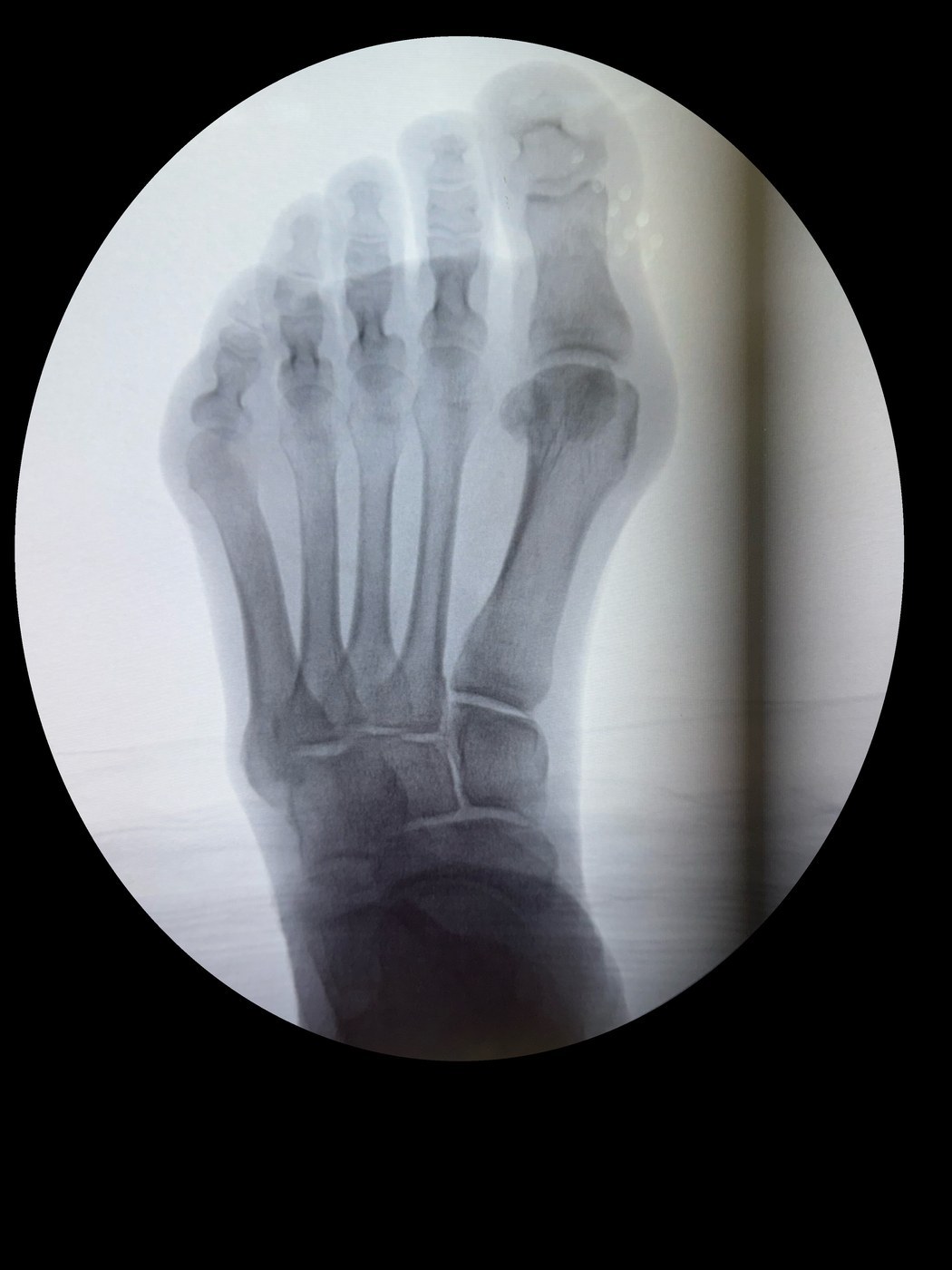
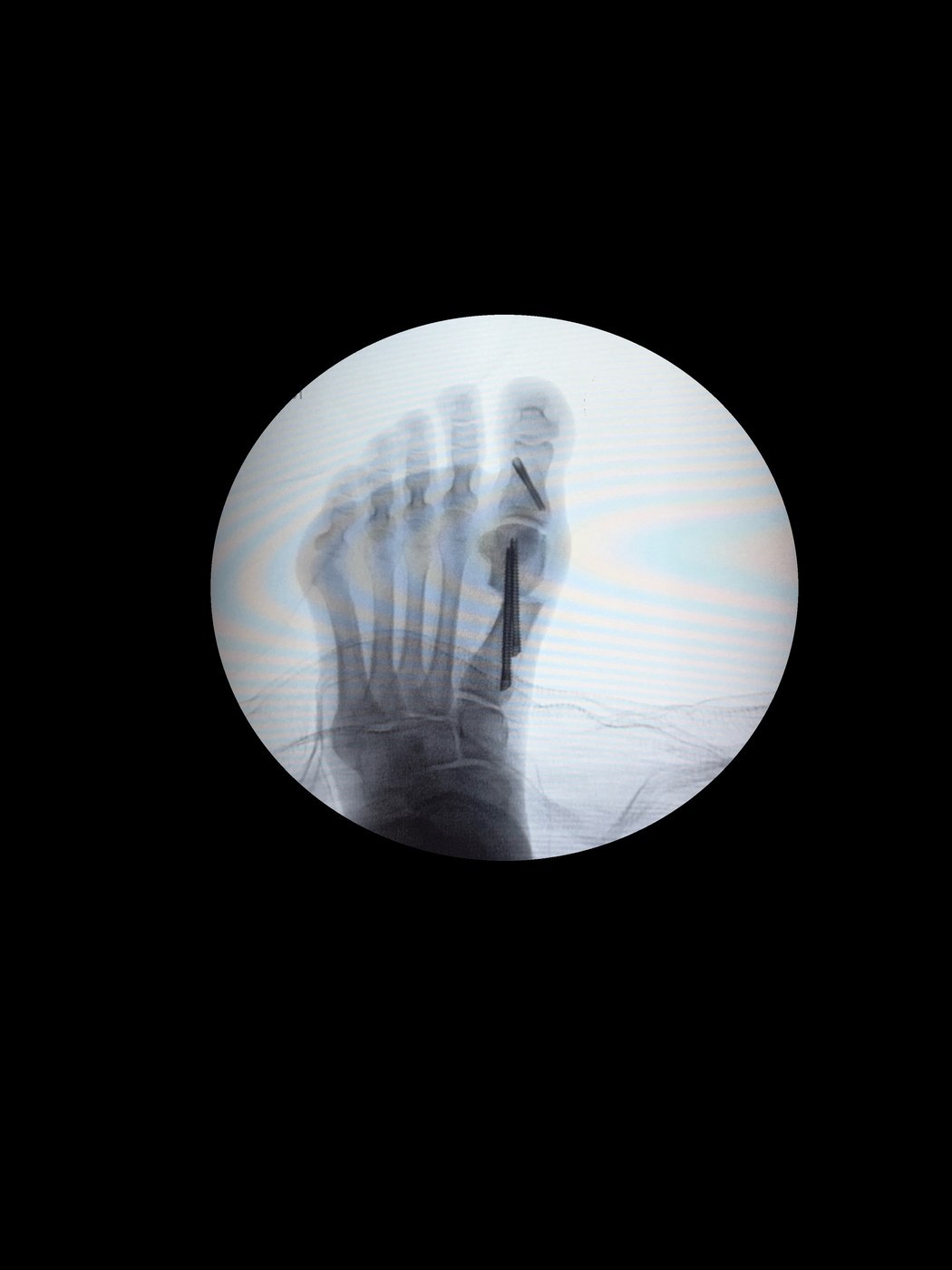
See the same-day transformation from a painful pre-op bunion to a straight big toe secured with two low-profile beveled screws through 1 mm incisions.
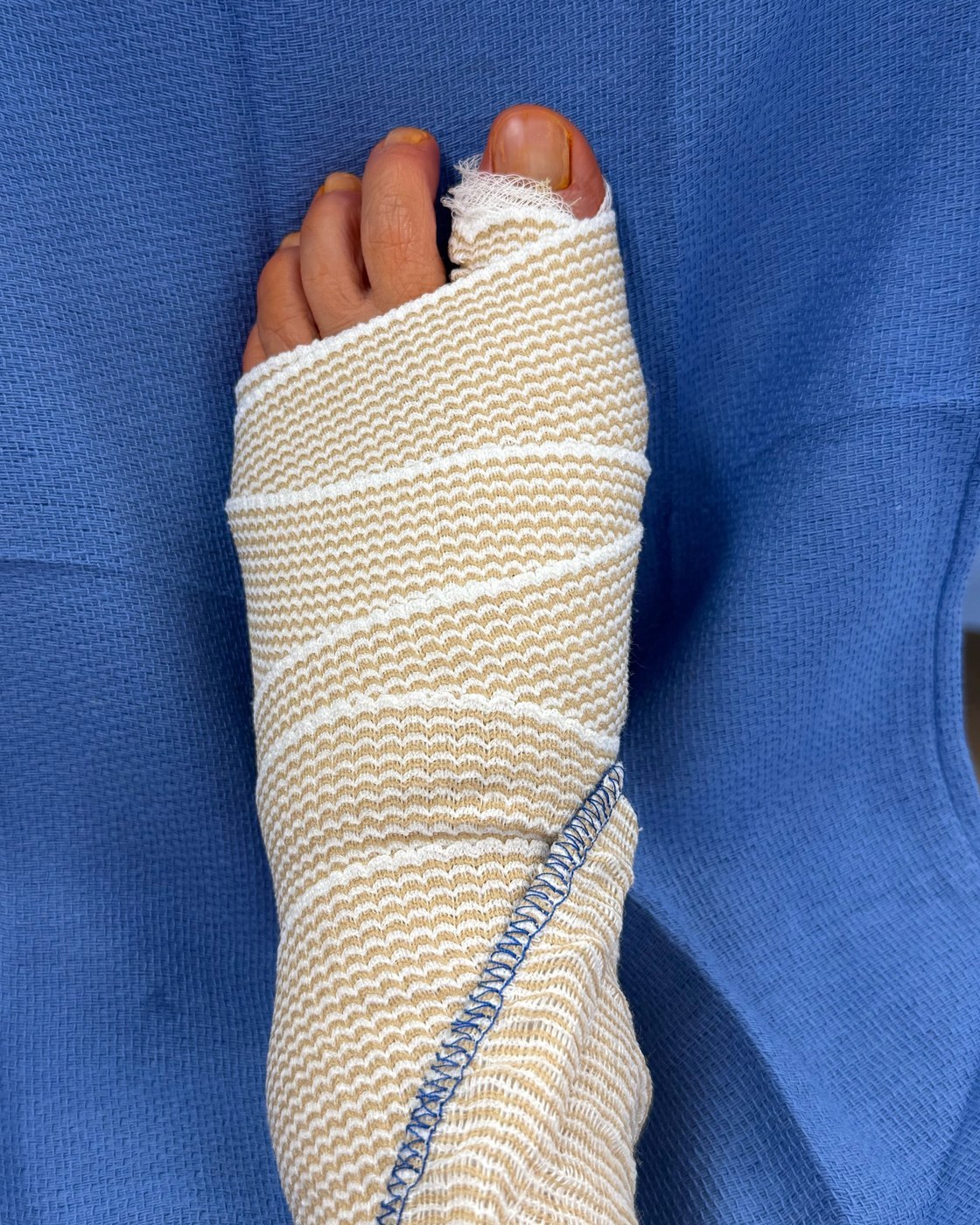
Dr. Moore explains why the smooth, wrinkle-free Day-1 compression dressing matters—and how you walk right away in your post-op shoe prior to your Day-5 visit.
Watch the OR wall clock from 8:48 AM to 9:07 AM as 1 mm incisions and live X-ray guidance shift the bone straight—about 30 minutes start to finish.
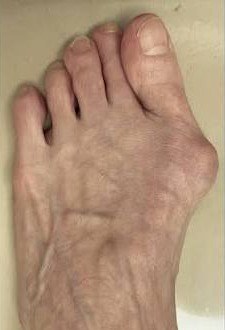
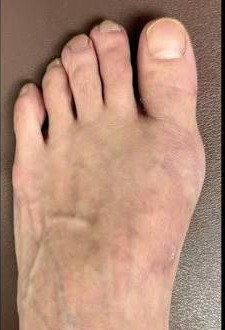
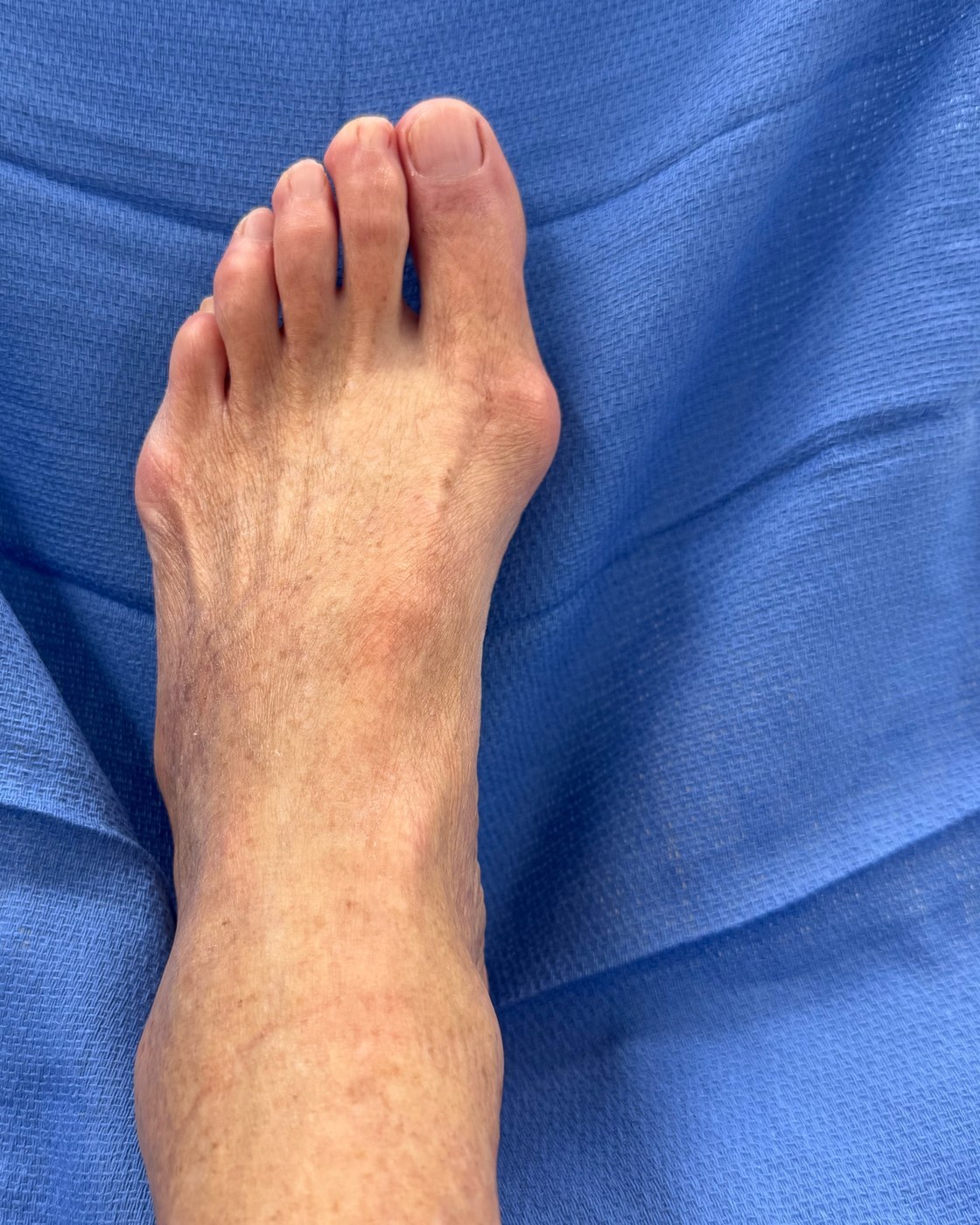
What patients care about most is how their foot looks and feels. Below are actual patients of Dr. Blake Moore. Supporting X-rays are tucked into an optional drawer below for those who wish to see the internal bony correction.
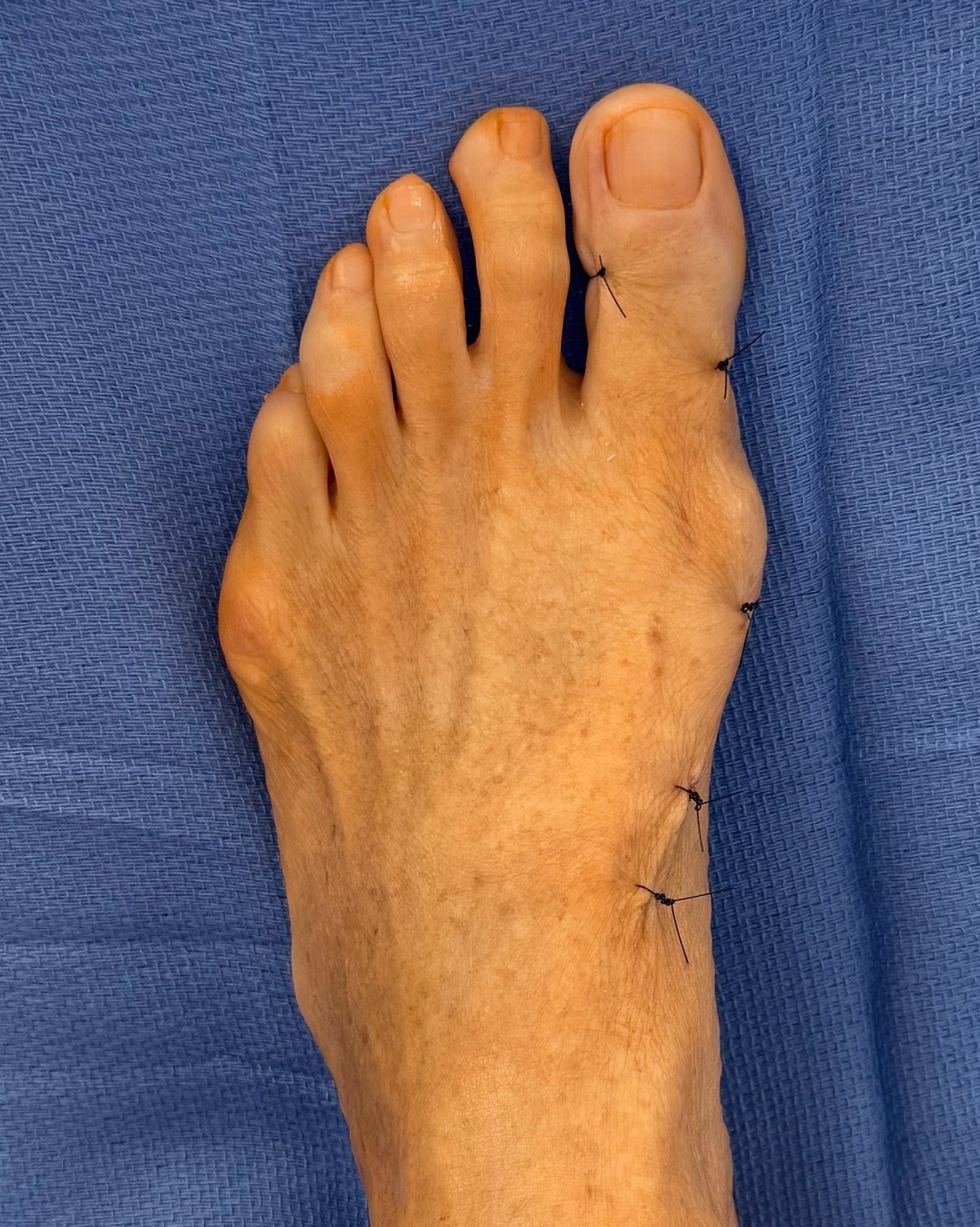
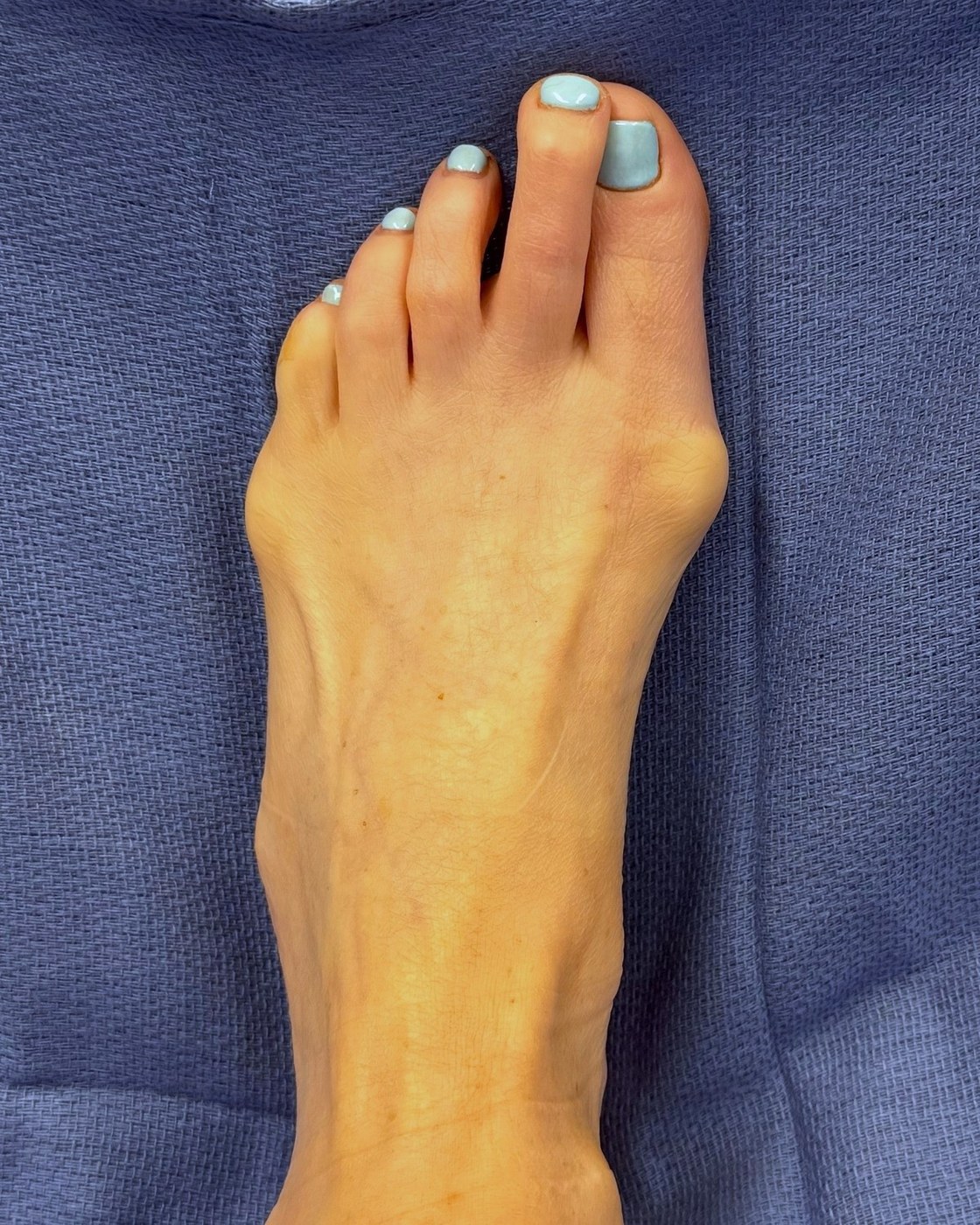
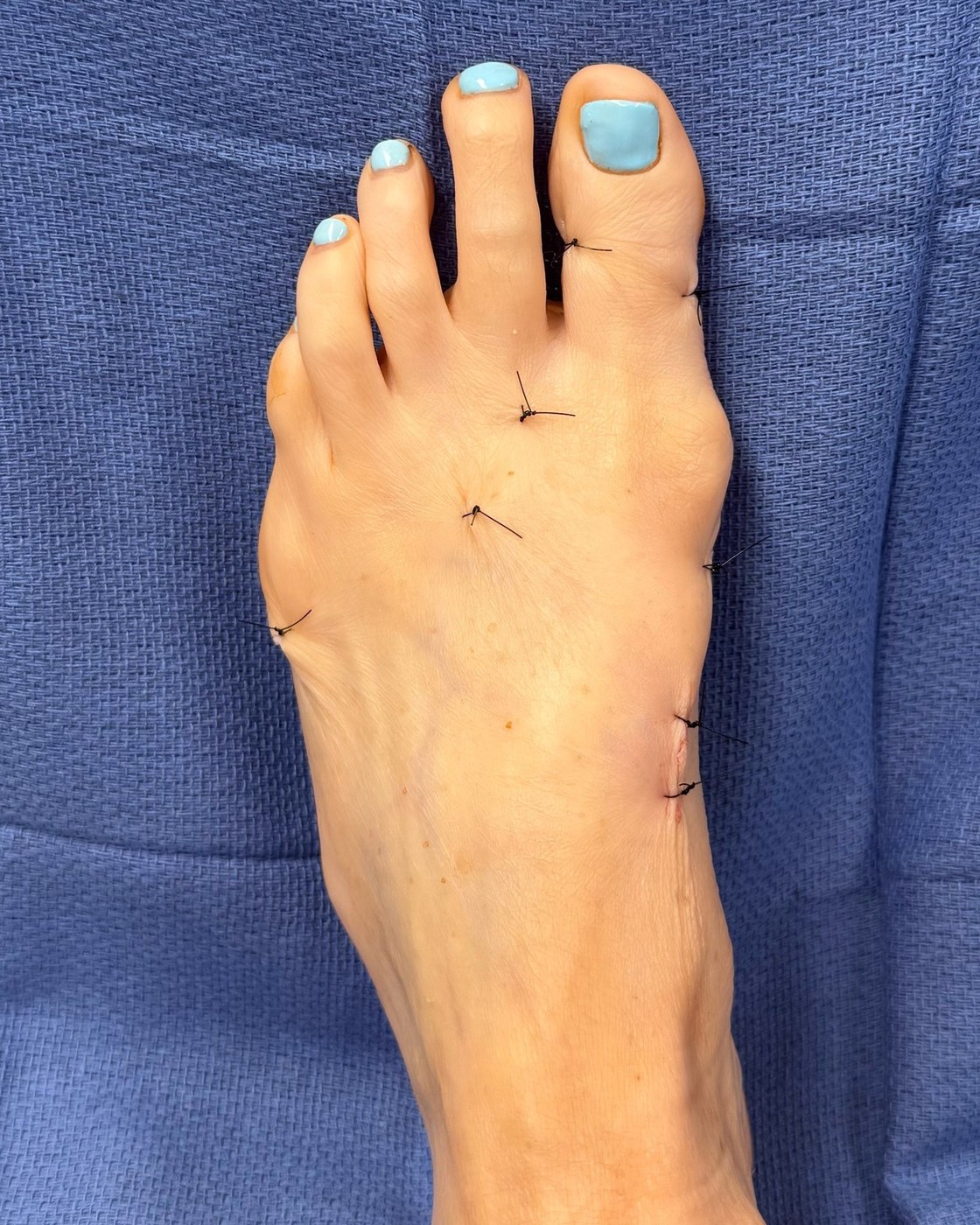
Shown on the operating room table before and immediately after correction. Notice the narrowed forefoot contour and 1 mm incisions instead of a long incision.
Once healed, the 1 mm incisions along the inner border of the foot fade into inconspicuous marks while the corrected 1st metatarsal keeps the big toe straight.
Every step on surgery day is designed for comfort and stability: after realigning the bone through 1 mm incisions and placing a few fine stitches, Dr. Moore applies a specialized, wrinkle-free compression dressing that supports your toe while you walk in your post-op shoe.
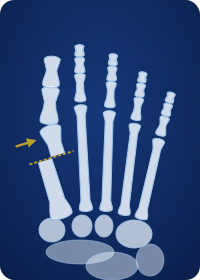
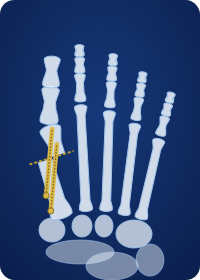
For patients and referring clinicians who want to see what happens beneath the skin: the 1st metatarsal is shifted back into anatomic alignment and held securely with two specialized headless beveled screws that sit flush with the bone.
Individual results vary.
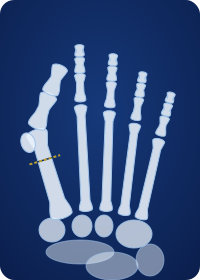
A bunion isn't just a buildup of bone that can be "shaved off." It is a three-dimensional alignment problem: the long bone behind your big toe (the first metatarsal) drifts outward, and the big toe leans inward toward the second toe. The Jiffy Bunion™ corrects the root structural cause through 1 mm incisions.
Many patients put off fixing a painful bunion for years because they fear a long scar, weeks on crutches, or months in a cast. Here is how modern minimally invasive correction compares.
| What Matters to Patients | The Jiffy Bunion™ (Minimally Invasive)Performed by Blake Moore, MD, FAAOS | Traditional Open Bunion Surgery |
|---|---|---|
| Incision Size & Scarring | ✓A few 1 mm incisions along the inner side of the foot; minimal scarring that fades into tiny dots. | 2 to 4+ inch open incision along the top or side of the foot with extensive suturing and visible scar line. |
| Structural Correction | ✓Real 3D bony realignment (osteotomy shifted and locked with 2 flush headless bevel screws—not just shaving the bump). | Open bone cut or joint fusion requiring wide joint exposure, plates, and multiple screws. |
| Day-1 Walking | ✓Walk right away on Surgery Day (Day 0) with limited weight-bearing as tolerated in a special post-op shoe. | Often requires 2–6+ weeks of non-weight-bearing in a cast or tall boot using crutches or a knee scooter. |
| Return to Regular Shoes | ✓Average of ~6 weeks to transition into supportive regular athletic footwear. | Often 10 to 16+ weeks before comfortable transition into closed everyday shoes. |
| Soft-Tissue Comfort & Swelling | ✓Preserves soft tissues & blood supply around the joint for less stiffness and a calmer recovery. | Wide soft-tissue dissection and capsule stripping can increase post-op stiffness and swelling. |
You will never wonder what comes next. Dr. Moore and his team check your progress and X-rays at every milestone to guide you safely back to your shoes and sports.
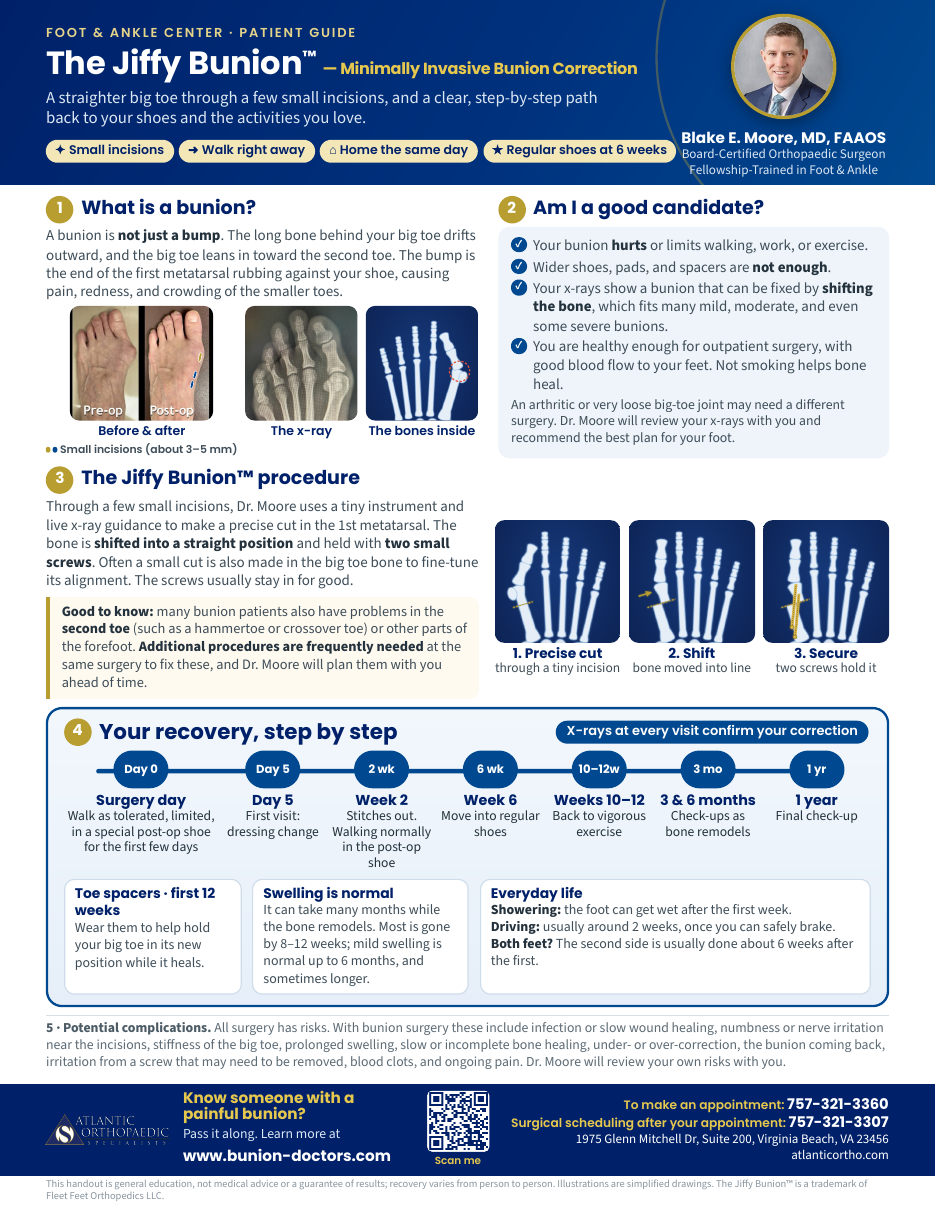
Want a clear 1-page summary to read at home or share with family? Download Dr. Moore's official illustrated Patient Handout covering candidacy, the 3-step procedure, and the complete Day-0 to 1-Year recovery timeline.
At your consultation in Virginia Beach, Dr. Moore will examine your foot, take weight-bearing X-rays, and talk through the best individualized plan for your goals and lifestyle.
When another approach is better: A severely arthritic or overly hypermobile (loose) big-toe joint may benefit from a different procedure, such as a first tarsometatarsal (Lapidus) or MTP fusion. Dr. Moore performs the full spectrum of modern forefoot procedures so your surgical plan is tailored to your anatomy.
Read authentic, verified feedback from Dr. Blake Moore's bunion and foot & ankle surgery patients in Virginia Beach and Hampton Roads.
"Dr. Moore is the bomb, y'all! My right foot feels really great… It was easier than I thought."— Jiffy Bunion™ Patient, months after minimally invasive bunion correction at Atlantic Orthopaedic Specialists
"Dr. Moore performed minimally invasive bunion surgery on both of my feet this year in March and May. The first week of September I went on a 2-day 21+ mile backpacking trip. Since then, I've started training for a marathon with virtually no pain in my feet for the first time since I was 16. Another provider recommended a more invasive surgery that would've had me immobile for 5–6 months per foot. I'm extremely glad Dr. Moore explained all the reasons he felt minimally invasive was the right choice."
"Dr. Moore is great. I actually have had two minimally invasive bunion surgeries with him that have turned out great. He listens to you and addresses all concerns. He has great bedside manner as well."
"Today’s visit was a follow up for my bunion surgery. I have been more than pleased with Dr. Moore, his staff, as well as all the office people. I would highly recommend this practice for anybody that needs foot surgery."
"Today was a follow up for bunion surgery. Dr. Moore’s physician assistant Abby as well as his PT Elizabeth are knowledgeable, friendly and on time. A well run orthopedic office I would highly recommend."
"Dr. Moore and his entire staff were fantastic before, during, and post surgery. Dr. Moore explained in detail how my surgery was going to work. I HIGHLY recommend him. Thank you again."
"Excellent surgeon. Wonderful bedside manners. Kept me assured that the surgery would go great and followed through. Highly recommend!"
Dr. Blake Moore is a board-certified, fellowship-trained orthopaedic foot and ankle surgeon at Atlantic Orthopaedic Specialists in Virginia Beach, VA. Since joining AOS in 2014 after completing his Orthopaedic Foot & Ankle Fellowship at Penn State Milton S. Hershey Medical Center, he has helped thousands of Hampton Roads patients and athletes return to pain-free motion.
A former NCAA Division I lacrosse player at Siena College, marathoner, and CrossFit athlete, Dr. Moore combines national surgical course faculty leadership and 3D forefoot innovation with a warm, down-to-earth clinic experience where every patient's X-rays and recovery roadmap are explained clearly.
Explore our complete library of patient guides written to answer every question about recovery, minimally invasive technique, and what to expect at your Virginia Beach consultation.
A week-by-week walkthrough of your Day-1 protective dressing, walking in the post-op shoe, when you can shower and drive, why toe spacers matter, and transitioning into regular shoes at 6 weeks.
Read Full Recovery Guide → Patient Guide 02 · Surgical TechniqueWhy a bunion is a 3D bone alignment issue—not just a bump—and how shifting the 1st metatarsal through 1 mm incisions with two flush beveled screws avoids a large incision.
Read Technique Comparison → Patient Guide 03 · Consultation PrepLearn how mild, moderate, and severe bunions are evaluated on weight-bearing X-rays, how medical insurance covers symptomatic bunion correction, and how to prepare for your visit with Dr. Moore.
Read Candidacy Guide →Yes. You can put weight on your foot as tolerated in a special protective post-op shoe starting on surgery day (Day 0). We recommend keeping walking limited to essential household trips for the first few days while elevating your foot to keep swelling down.
Your initial surgical dressing—applied smoothly by Dr. Moore in the operating room with soft gauze and gentle elastic compression—helps hold your big toe in its newly corrected alignment and protects the 1 mm incisions. Keep this original dressing clean, dry, and intact until your first clinic visit around Day 5.
On average, patients transition into wide, supportive regular athletic shoes at about 6 weeks after surgery. Everyone heals at their own pace, and Dr. Moore will check your X-rays at your clinic visits to confirm your bone is ready.
The two specialized headless beveled screws sit flush inside the bone and are designed to stay in permanently. You will not set off airport metal detectors, and they rarely need to be removed unless a screw causes localized irritation after the bone has healed.
Your foot can get wet in the shower after the first week once cleared by Dr. Moore's team. Driving typically resumes around 2 weeks after surgery, provided you are off prescription pain medication and can comfortably and safely stomp the brake pedal.
Yes. If both feet have painful bunions, the second side is typically scheduled about 6 weeks after the first so you always have a stable walking foot. If you also have a second-toe problem such as a hammertoe or crossover toe, Dr. Moore frequently corrects it during the same outpatient surgery.
When a bunion causes pain, functional limitation, or difficulty wearing reasonable footwear despite conservative care, corrective bunion surgery is generally considered medically necessary and covered by most major health insurance plans, Medicare, and Virginia Medicaid. Our surgical scheduling team at Atlantic Orthopaedic Specialists verifies your exact benefits ahead of time.
All surgery carries risks. With bunion surgery these include infection or delayed wound healing, numbness or nerve irritation near the tiny incisions, stiffness of the big toe joint, prolonged swelling, delayed or incomplete bone healing, under- or over-correction, recurrence of the bunion, hardware irritation requiring screw removal, blood clots, and ongoing pain. Dr. Moore will review your individual health profile and risks with you in detail.
Schedule a consultation and weight-bearing X-ray evaluation with Blake E. Moore, MD, FAAOS at Atlantic Orthopaedic Specialists in Virginia Beach to find out if The Jiffy Bunion™ is right for your foot.
Atlantic Orthopaedic Specialists — Virginia Beach
Princess Anne Health Complex: 1975 Glenn Mitchell Dr, Suite 200, Virginia Beach, VA 23456
Camelot Medical Building: 1800 Camelot Dr, Suite 300, Virginia Beach, VA 23454
www.bunion-doctors.com · www.atlanticortho.com · Google Maps & Reviews · Healthgrades